Managing a bike shop isn’t simple. It depends on accurate stock availability, detailed product information, efficient ordering, and seamless in-store and online shopping experiences. However, many bike shop owners still spend countless hours managing day-to-day retail tasks such as importing products, updating pricing, checking supplier stock, and maintaining thousands of SKUs.
These manual processes waste valuable time, create duplicate entries, and result in fragmented data across the business.
Fortunately, supplier integrations provide a smart way to manage these tasks. This automates most of the repetitive work and connects modern bike shop systems directly with suppliers, allowing product information, pricing, images, and stock availability to flow seamlessly into one central platform. Retailers no longer need to copy product information or switch between supplier portals manually.
In short, supplier integrations are no longer just a convenience—they've become an essential tool for improving productivity, reducing errors, and helping bike shops remain competitive in the UK bike retail market.
What are supplier integrations?
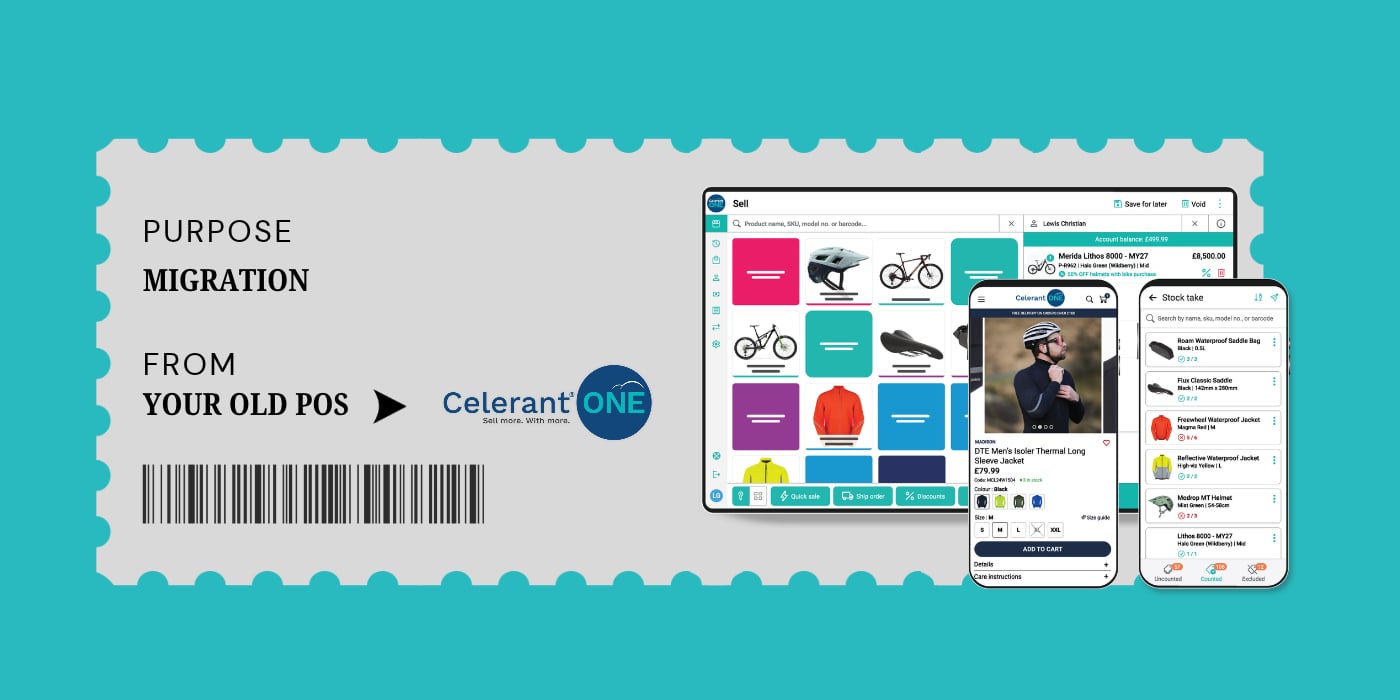
Supplier integrations connect bike retail software with bicycle distributors and manufacturers. This eliminates the need to create products or check supplier websites manually, as all relevant product data and information, including images, descriptions, pricing, product launches, and stock availability, are automatically imported into your POS and inventory management system.
Everything is managed through a centralised system, allowing staff to spend more time serving customers and their bikes rather than on repetitive administrative tasks.
Why manual supplier management slows down bike shops
Most small and medium-sized bike shops still rely on updating spreadsheets, supplier portals, and manual product entry. Their typical workflow involves logging into the supplier portal to search for the required products, downloading spreadsheets, copying descriptions, uploading images, updating pricing, and checking stock availability. The same process must be repeated for every supplier, and when dealing with multiple distributors for thousands of products, countless hours are wasted each week.
Manual processes also increase the likelihood of duplicate product listings, errors in product information, outdated pricing, missing images, and oversells. This creates more work for staff and often results in a poor customer experience.
The UK cycling industry relies on accurate product data
Modern bike shops deal with larger inventories than they did a few years ago. Most retailers source products from multiple suppliers while selling across multiple sales channels. This requires consistent product information across every sales channel, which is not possible without automation.
According to the Bicycle Association’s Market Data Service, the UK cycling retail industry’s central product database contains more than one million cycling products. The database represents approximately 70% of the UK cycle retail market, highlighting the large volume of product data that bike retailers manage every day.
Inventory accuracy also has a direct impact on retail performance. Research shows inaccurate inventories cost up to 4% of annual sales while delivering a poor customer experience for retailers. This makes accurate supplier data essential, particularly for bike shops selling higher-value bikes and specialist components.
How supplier integrations save bike shops hours every week
Managing supplier catalogues manually can quickly turn into a big challenge for bike shops when they are working with thousands of products and multiple brands. With the help of supplier integrations, most of the process is automated by importing product information, synchronising stock availability, and reducing repetitive data entry. This allows bike retailers to focus on serving customers, growing workshop revenue, and increasing sales instead of spending countless hours updating catalogues and supplier portals.
Here are some of the key ways supplier integrations help bike shops save valuable time every week:
1. Import new products and reduce manual data entry
Supplier integrations help retailers import products directly and synchronise supplier information into their retail system. This reduces manual product creation, saves time, minimises administrative work, and reduces errors that can occur when manually creating hundreds of new products each season. Automating supplier data allows your team to focus more on other important areas, including bike fittings, workshop servicing, community events, test rides, accessory recommendations, and helping customers.
2. Keep product information consistent
Customers expect detailed product information. Supplier integrations ensure product listings include professional images, accurate specifications, correct sizing, technical descriptions, and current pricing. This increases customer confidence while minimising customer enquiries.
3. Improves stock visibility
Dealing with inventory issues such as stockouts, overselling, and order cancellations is frustrating for most bike retailers. Supplier integrations help address these challenges by ensuring consistent stock updates, allowing staff to make informed decisions when ordering products, and providing customers with more accurate delivery estimates. This helps them to reduce uncertainty and prevent missed sales and revenue opportunities.
4. Launch new products quickly
When new bike models and accessories are released, retailers can quickly add them to their catalogue without building any product pages manually. This helps independent bike shops to launch new products much faster.
One connected system for everything
Supplier integrations become even more powerful when combined with an all-in-one retail platform like Saledock. Everything from POS, inventory, eCommerce, customers, to supplier integrations and workshop management is managed through a single dashboard, giving bike retailers complete visibility across their business.
If you want to reduce time managing supplier data and focus more on selling bikes, accessories, and servicing customers, supplier integrations offer just the right solution for your bike shop.
FAQs