

Cycling
Inventory Management
Point of Sale
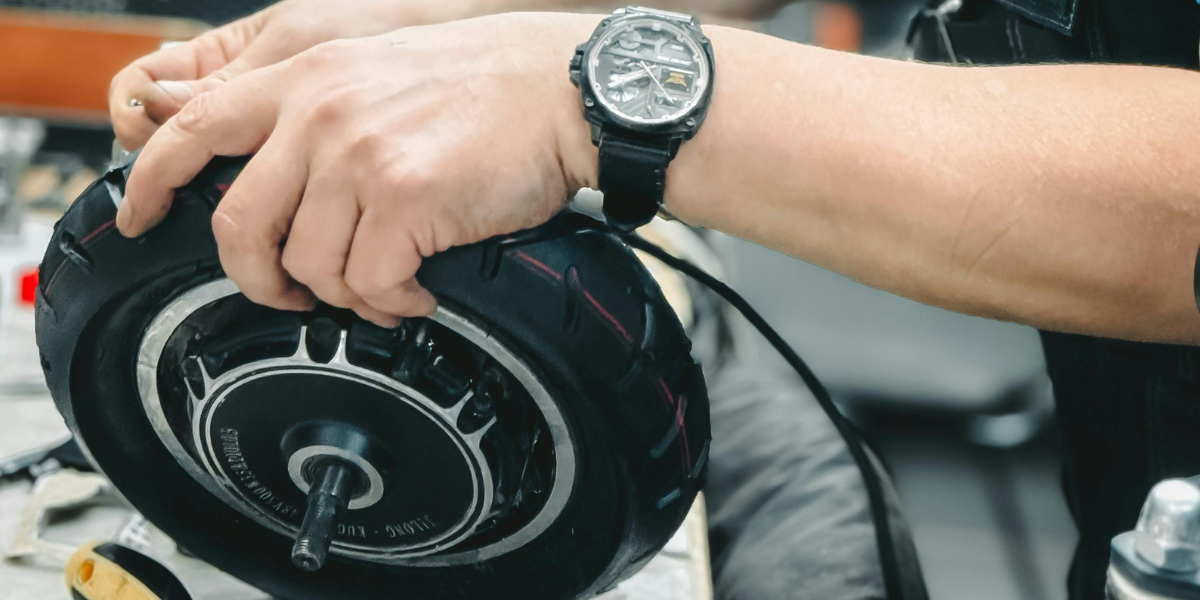

After-sales services are an important part of retail, particularly for mobility retailers. That's because the customer relationship doesn’t end at the purchase of a mobility product. Most products need ongoing servicing, including maintenance and repairs, while some customers may return with warranty questions months or years after the purchase.
Maintaining service and warranty records helps retailers track when a product was sold, its service history, and when it may require regular maintenance. This also gives staff access to important information without the need to search through paperwork, multiple systems, or spreadsheets.
However, managing high-value products alongside ongoing servicing isn't easy for most mobility business owners. That's where mobility retail software can help provide a structured way to manage customer data and product details, including warranty and ongoing maintenance information.
Warranty and service records should contain the product history and customer relationship details in a clear and accessible format. This usually includes:
Having a record of these details makes it easier for staff to understand a product's condition and provide informed support when a customer gets in touch.
Retailers can also have a centralised record to maintain consistency as the business grows. Instead of relying on individual employees to remember product details or customer data, support staff can refer to the same information when handling sales, service requests, or warranty enquiries.
Serial number tracking helps mobility retailers associate a specific product with its customer, purchase, and service history. Every mobility product has a unique serial number, making it a useful identifier throughout the product lifecycle.
Recording the serial number of each product helps retailers track warranty claims, repairs, and servicing activity back to the original product in the future.
For instance, if a customer returns with a mobility scooter for repair, staff can use its serial number to locate the relevant product record and review information about its purchase and previous servicing. This is useful for retailers selling multiple products from the same manufacturer and model range.
Serial number tracking is, therefore, an important part of warranty management and service record-keeping.
Warranty enquiries stem from the original sales data. Customers can contact a retailer when they need to replace their battery, charger, or another component, and staff need to check the product purchase date and whether the issue falls within the relevant warranty terms.
Retailers can maintain information related to the purchase date, product serial number, warranty period, supplier or manufacturer, and previous warranty claims. Keeping these details together makes it easier for staff to maintain accurate warranty records. This way, support staff can clearly see when a product has previously been repaired or had parts replaced under warranty.
The terms and conditions can vary between manufacturers, suppliers, and products. Retailers can refer to the warranty documentation to determine whether a repair or replacement is covered.
Service management is about recording more than the date of a service. A detailed service record may include the product and serial number, date of service, reported fault, inspection findings, parts replaced, engineer or technician involved, labour charges, and recommendations for future work.
This gives staff a service history to refer to when the product returns.
For example, when a customer brings the same mobility scooter back a few months after a repair, the retailer can check the previous service record to see the work done and reported issues. This helps staff to provide a more informed response. Over time, these records also enable retailers to gain better visibility into service demand, recurring faults, and common repair types.
Mobility retailers can use retail management software to bring together customer data, product details, sales, and service information instead of managing them across separate spreadsheets and systems.
Spreadsheets may be sufficient for basic record-keeping at a small retailer. But as their business grows and they add more products, customers, stores, or service bookings, maintaining warranty and service information becomes difficult.
A unified retail system connects everything from customer records, product details, and serial numbers to warranty information and subsequent service activity. This provides staff with a single source of information when tracking a warranty enquiry or reviewing a customer’s service history.
Related: Top mobility retail systems used in UK stores
Service reminders are important and help retailers keep customers informed about upcoming service or follow-up appointments after a repair. Digital records make it easy to identify service dates and warranty expirations. This helps staff maintain a consistent follow-up process.
Service reminders also help retailers stay connected with customers after an initial sale. This is especially true for mobility retailers, as servicing and maintenance can form an ongoing part of the customer relationship. They can then use the service records to maintain a longer-term view of the customer and their equipment.
When sales, warranty, and service data are stored in different systems, staff have to switch between systems to track and understand the customer’s purchase history. This can create errors and waste time due to manual system updates.
Connecting these processes creates a joined-up workflow that links the original sale with customer data, product serial numbers, warranty information, and servicing and repair history. When a customer visits a store, staff can check their purchase history alongside servicing records to reduce duplicate administration.
Managing warranty and servicing records is easier when customer, product, sales, and service information can work together. It helps staff to spend less time searching for information and more time serving customers. This gives managers a clearer view of servicing activity while allowing retailers to maintain a complete history of products and customer interactions.
It also helps mobility retailers scale their businesses, particularly when operating across multiple locations. They may need staff across different stores to access consistent customer and product information. In such cases, centralised systems make it easier to access and use information when staff need it.
A unified retail solution for mobility retailers, such as Celerant ONE, brings major retail operations together on a single platform. It helps retailers manage POS, inventory, customer data, and servicing from a single dashboard, giving them greater visibility across their business.
Through serial number tracking and integration with Workshop by Bikebook, mobility retailers can focus on servicing activity alongside the wider retail operations. Bringing retail and service information together can reduce administrative duplication and improve access to customer and product records, helping retailers manage day-to-day operations while delivering a consistent customer experience.
If you are Interested in centralising warranty and servicing records across your independent or multi-location mobility store?
%20by%20Saledock.jpg?width=1400&height=700&name=Say%20hello%20to%20Customer%20Engagement%20Suite%20(CES)%20by%20Saledock.jpg)