Whether selling premium fly rods, specialist reels, or seasonal bait and tackle, margins are tight, and competition is fierce.
The days when a single Angling & Sport Fishing shop floor could capture your entire market are long gone. Today's anglers research online, compare prices across channels, and expect the convenience of buying wherever and whenever suits them.
But here's the challenge: how do you compete with online giants while maintaining the personal service that defines independent angling retail? The answer lies in understanding what omnichannel ROI actually means - not just total revenue, but also customer retention, reduction in lost sales, and higher basket values across all touch points.
When we talk about omnichannel ROI for smaller retailers, we're really discussing three interconnected pillars:
- A CRM + ePOS Integration Turns Your Customer Data into Sales
- ‘Endless Aisles’ eCommerce Means More Sales, Fewer Abandoned Carts
- Click-and-Collect Shopping Drives Foot Traffic and Incremental Sales
Each element feeds the others, creating a unified shopping experience that keeps customers coming back whilst giving you the tools to maximize every interaction.
A CRM + ePOS Integration Turns Your Customer Data into Sales
Most angling retailers already know their regular customers by name. You remember who prefers sea fishing to coarse angling, who stocks up before the season starts, and who always asks for the latest gear.
But when that knowledge lives in your head rather than your systems, it can't scale beyond your physical presence. Pairing CRM software with your ePOS creates a single customer view that tracks behaviour across both in-store and online channels. When a customer makes a purchase at the till, their profile updates instantly.
Customer databases that sync across channels mean loyalty points are redeemable via eCommerce and in-store, store credit is valid everywhere, and gift cards purchased on your website are immediately redeemable in person.
|
Feature
|
Saledock Capability
|
ROI Impact
|
|
Customer Purchase
|
Unified in-store + online purchase history
|
Better targeting, fewer lost sales
|
|
Loyalty Programmes
|
Visit & point-based rewards
|
Increased repeat visits
|
|
Gift Cards
|
Omnichannel gift card support
|
New customer acquisition
|
Practical benefits reveal themselves in daily operations. You can pull up a customer's profile at checkout and see that they purchased a particular fishing line three months ago. You can proactively mention the manufacturer's new model or suggest complementary lures: make informed recommendations based on actual buying patterns, not guesswork.
For smaller retailers who've relied on spreadsheets and memory, this shift represents a fundamental change. Instead of guessing which products resonate with which customers, you have data to inform your decisions.
‘Endless Aisles’ eCommerce Means More Sales, Fewer Abandoned Carts
You can't stock every rod length, every reel size, or every bait variation customers might want. But your eCommerce platform can with an ‘endless aisle.’
An endless aisle approach means customers can browse beyond your physical inventory without leaving your website. They might visit looking for a specific fly reel, discover you don't have it in stock, but immediately find it on your website.
This only works when your eCommerce platform and physical inventory communicate. Stock sync prevents the same item from being sold twice. Abandoned basket notifications recover sales when customers add a £300 rod to their basket but don't complete checkout. Fast site speed reduces bounce rates and improves organic search rankings. SEO tools help customers find you when searching for specialist equipment.
Marketplace integration with platforms like Amazon and eBay extends your reach beyond your website, showing inventory to customers who might never have visited your shop. When these sync with your core system, you manage everything from one place.
• Instant inventory sync prevents overselling and stock-outs
• Abandoned basket recovery reduces cart abandonment
• Marketplace integration expands reach beyond the store
• SEO and site speed optimization drive organic traffic and conversions
• Unified promotions across ePOS and eCommerce increase basket value
For angling retailers, where enthusiasts often seek specific, sometimes niche equipment, offering an extended catalogue without warehouse costs represents a genuine competitive advantage.
Click-and-Collect Shopping Drives Foot Traffic and Incremental Sales
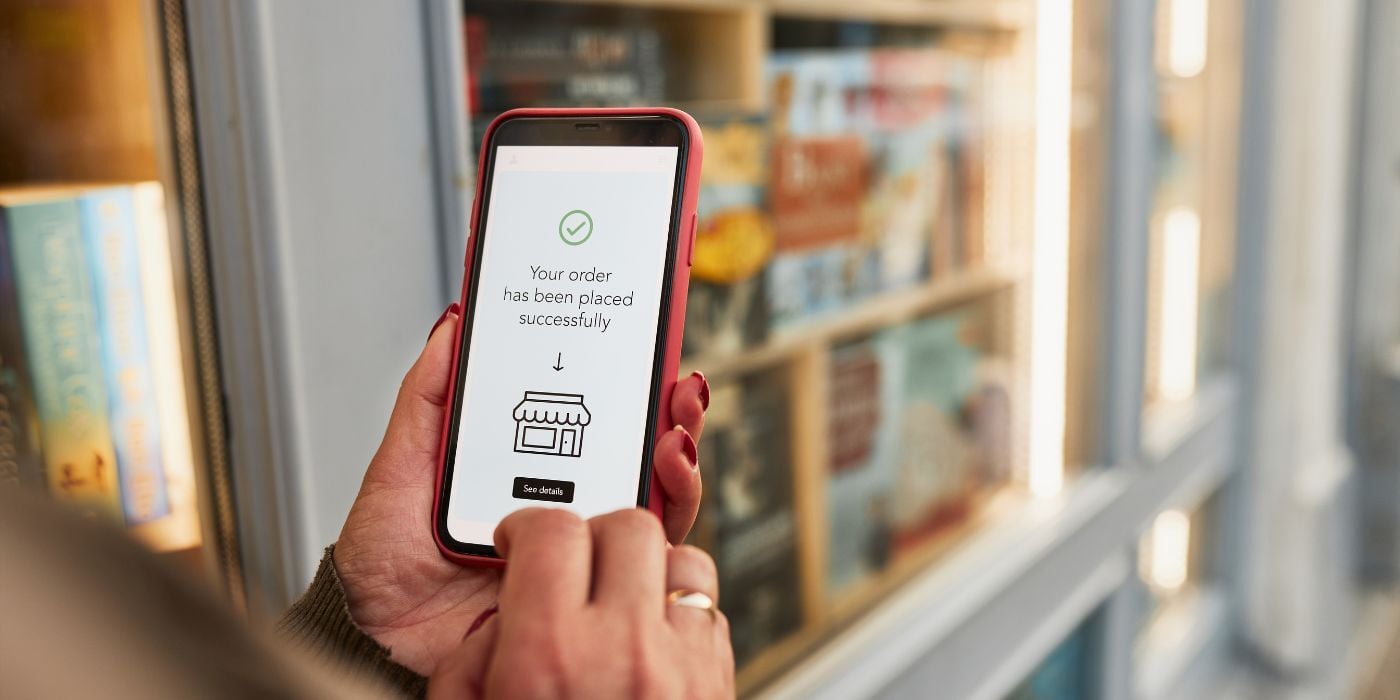
Click-and-collect creates a customer journey that naturally drives additional revenue. Someone browses your website, finds the rod they want, places an order for in-store pickup, then comes to collect it. That's when the opportunity multiplies.
They're in your shop now. They can see the new lures you've just stocked, feel the difference between reel models they'd been comparing online, and ask questions about the rod they've purchased. This face-to-face interaction, triggered by an online purchase, regularly results in additional items being added to the basket.
Research consistently shows that click-and-collect customers spend more per transaction than those shopping in a single channel. The psychology is straightforward: they've already committed to buying, they're in a purchasing mindset, and complementary products physically surround them. A customer collecting a new fishing rod often realizes they need line, hooks, or tackle they hadn't initially planned to buy.
Click-and-Collect Advantages:
• Fulfill orders from any store location for maximum flexibility.
• Process orders directly from your POS without switching systems.
• Real-time stock visibility ensures accurate collection promises.
• Customers avoid delivery charges on bulky equipment.
• Immediate collection beats waiting for delivery on time-sensitive needs.
• Face-to-face interactions build stronger customer relationships.
For angling retailers competing against purely online sellers, bringing customers into your physical space creates invaluable opportunities for personalized service, expert advice, and demonstrating the value that independent retailers provide. Each collection visit reinforces your brand and creates cross-selling opportunities that drive higher basket values.
Why Integration Matters More Than Individual Features
The real power in these three pillars—CRM and ePOS integration, endless aisle eCommerce, and click-and-collect—lies in how they work together as a unified system. A customer's online browsing history informs in-store recommendations.
Loyalty points earned through click-and-collect purchases accumulate toward rewards redeemable across all channels. Inventory visibility enables you to promise collection times confidently, knowing exactly what's in stock and where.
This integration eliminates the operational headaches that plague retailers as they stitch together multiple systems. When your ePOS, eCommerce platform, inventory management, and customer database all communicate seamlessly, you manage a single system rather than four. Data enters once and flows everywhere it needs to go. Staff don't need to learn multiple interfaces or reconcile conflicting information.
For small and medium retailers operating with lean teams, this efficiency matters enormously. Time spent wrestling with systems is time not spent serving customers or growing the business. Simplified operations mean you can focus on what actually differentiates independent angling retailers: knowledge, service, and community connection.