

Angling
Point of Sale
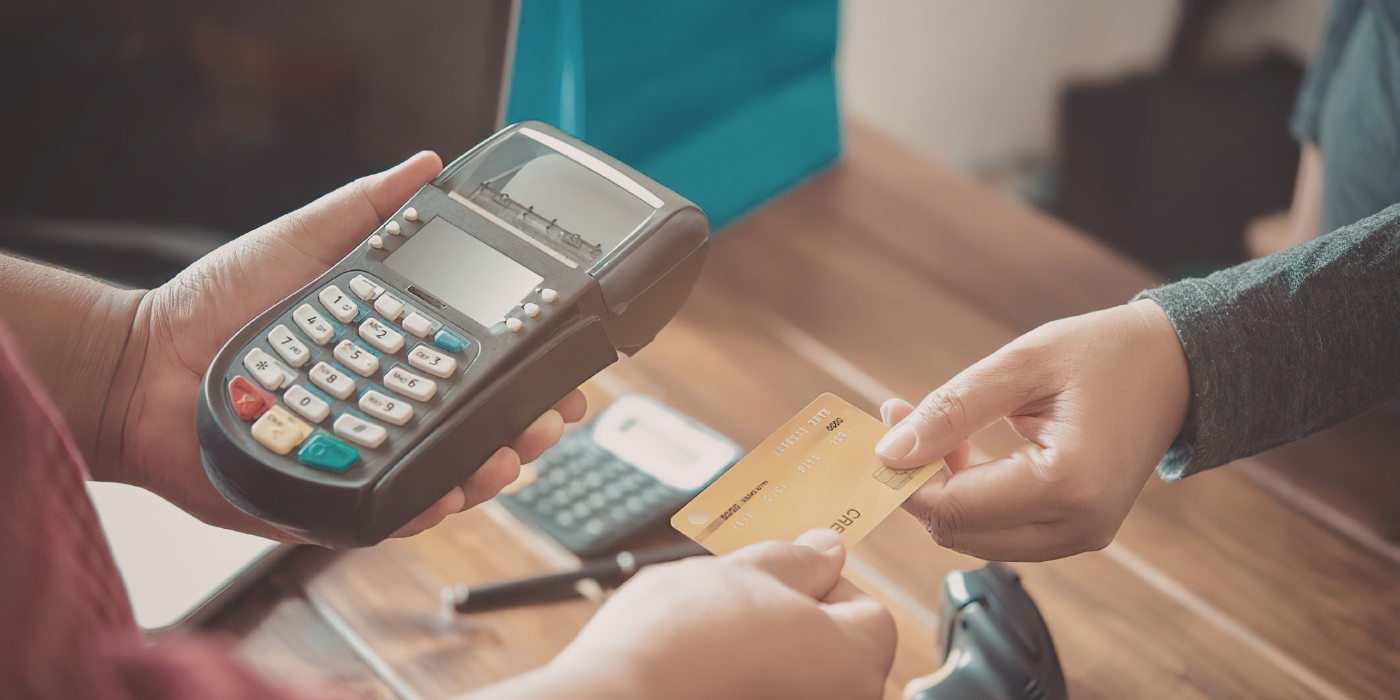

Using cloud technology, a modern POS works across multiple devices to manage payments, stock levels, customer data, and reporting in real-time. This has completely changed how businesses operate today.
But the bigger question is whether it actually improves return on investment (ROI) and operational efficiency for retailers? The short answer is yes. Yet, the real answer depends on how effectively the system is set up, integrated, and used across your entire business.
Before understanding how a modern POS improves ROI, it's important to understand how it supports retail operations. Unlike traditional systems that required extensive manual work and operated only on a transactional basis, modern POS platforms are equipped with a range of business functions that operate under a single system. Some of the primary functions that a modern-day POS covers include:
Payment processing via a single interface: Modern POS platforms accept multiple payment methods through a single interface, including cash, debit cards, mobile wallets, and online transactions. This enables a positive checkout experience for customers and also helps retailers manage payment activity in one place.
Real-time inventory management: Inventory management is one of the most critical aspects of the retail cycle. Modern POS systems update inventory levels in real-time, whenever a transaction takes place, whether it is a sale, return, or exchange. This enables retailers to maintain accurate stock visibility across all their sales channels, while eliminating stock discrepancies and overselling.
Customer relationship management (CRM): Most POS systems come with a built-in customer relationship management system offering features such as customer purchase history, behavioural insights, and shopping preferences. This helps businesses to personalise their promotion offers and loyalty programmes to understand customers’ buying patterns over time.
Sales reporting and analytics: The sales reports and analytics feature is also far more advanced than the traditional workflow that relied on manual spreadsheet work. A modern-day POS system comes with a live dashboard sharing sales data performance by product, time period, location, and staff member. This helps retailers identify trends and profitability margins while also making fast business decisions based on real-time data.
Staff management: A POS system also offers tools to manage employees and their activities. You can assign user permissions, organise employee shifts, and track staff performance to monitor sales activity without requiring another workforce management software.
Integrations with third-party tools: Most POS systems offer integration features to connect with third-party tools such as accounting software like QuickBooks and Xero, eCommerce platforms, delivery services, and marketing tools. This automates the data across systems, eliminating the need to enter details multiple times.
Cloud technology: With the help of cloud access, retailers can manage their businesses, monitor sales, store performance, and inventory from any location. This helps to track your retail operations across all your single or multiple sales channels.
These features help businesses to centralise their retail operations under one umbrella, minimising manual workload and reporting errors. As a result, you get better control over your day-to-day operations.
The next big question is whether these POS features actually translate into measurable business value and long-term profitability? And, again, the answer is yes. But that is not from a single feature, but rather a combination of multiple small ones that gradually increase efficiency and revenue over time.
Inventory issues are notorious for hidden costs that come in the form of human error, poor tracking, supplier discrepancies, and theft. A modern POS system eliminates these issues by tracking stock in real time. It automatically records every transaction and updates it across all channels through a unified solution, which reduces the margin of human error and discrepancies. This results in improved revenue and operational efficiency over time, particularly for multistore businesses.
Labour costs are one of the main expenses for retail businesses, and that’s why the real challenge is not hiring enough staff but ensuring that the right number of people are scheduled at the right time.
Most retail businesses struggle to manage work among their employees during rush hours. Instead of hiring more people, a modern POS helps by analysing past sales data to identify peak shopping hours, quieter periods, seasonal traffic, well-performing products, under-performing locations, and staff driving sales.
This helps retailers to make improved and quick decisions around staffing, product pricing, stock purchasing, and promotions. This controls labour costs while creating a smooth customer experience.
The checkout speed and long customer queues directly affect your revenue by frustrating customers and leading to abandoned carts.
Modern POS systems help improve it by enabling faster payment methods such as mobile wallets, tap-to-pay, and card terminals. In some cases, staff can even process orders using handheld devices.
This increases transaction speed and reduces waiting times, allowing businesses to serve more customers in the same time period. You can further combine it with loyalty programmes to offer personalised discounts for building strong and long-term relationships with your clients.
This leads to increased revenue with returning customers in the highly competitive markets.
Most modern POS systems have built-in features for product upsells. Based on the customer's shopping pattern and product combinations, these automatically suggest additional upgrades, such as complementary products and bundle upgrades, during checkout.
These are also more effective than traditional marketing because they occur at the moment of purchase. Even a small increase in the average order value can create a significant impact when multiplied across hundreds or thousands of transactions over time.
A large amount of time is spent handling administrative tasks such as verifying sales transactions, updating spreadsheets, tracking inventory, and preparing reports in a traditional retail system. With the help of a modern POS, most of the work is automated from sales reports generation to stock levels and financial data synchronisation.
This reduces the need for manual data entry and frees up managers and staff to focus on high-value tasks, from customer service to business planning and operations. It also enables businesses to get a clear view of individual performance, such as sales per hour, average transaction value, and refund rates, while helping managers identify their staff's strengths and weaknesses and offer on-the-job training for further improvement.
Altogether, these operational improvements lead to a scalable, smart, and financially efficient retail environment. This makes modern POS systems like Saledock central to modern businesses' day-to-day operations. When integrated properly, they help you achieve better ROI, improved operational efficiency, higher sales, and reduced administrative costs, while enhancing stock visibility and strategic decision-making.
Not sure whether your business is ready for a better, more modern POS?
Book a free no-obligation demo with our team today